


How to solve sales channel conflict

Luke Sandford
Senior Content Specialist
Jump to section
How to stop your sales channels from competing on price
You’ve done the work. You’ve built out your sales channels. Your margins are healthy, and customer relationships are growing, which feels like genuine progress, until you expand your wholesale partnerships.
You start spotting your products on competing marketplaces, discounting more and more to attract the same pool of customers. In the longer term, this can put pressure on your product margins and lead your customers to always expect a lower price. In short, sales channel conflict can jeopardise your market position. That’s more common than many people realise.
What is sales channel conflict?
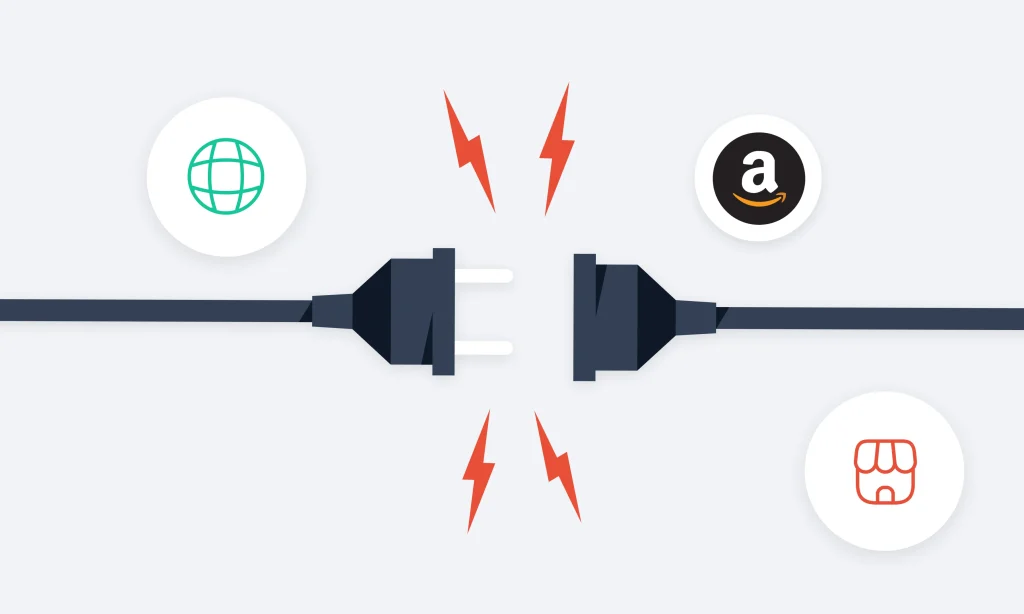
Sales channel conflict occurs when different parts of a brand’s distribution network compete for the same customer. When it comes to resellers, sales channel conflict starts when they see a competitor drop their prices on a certain product.
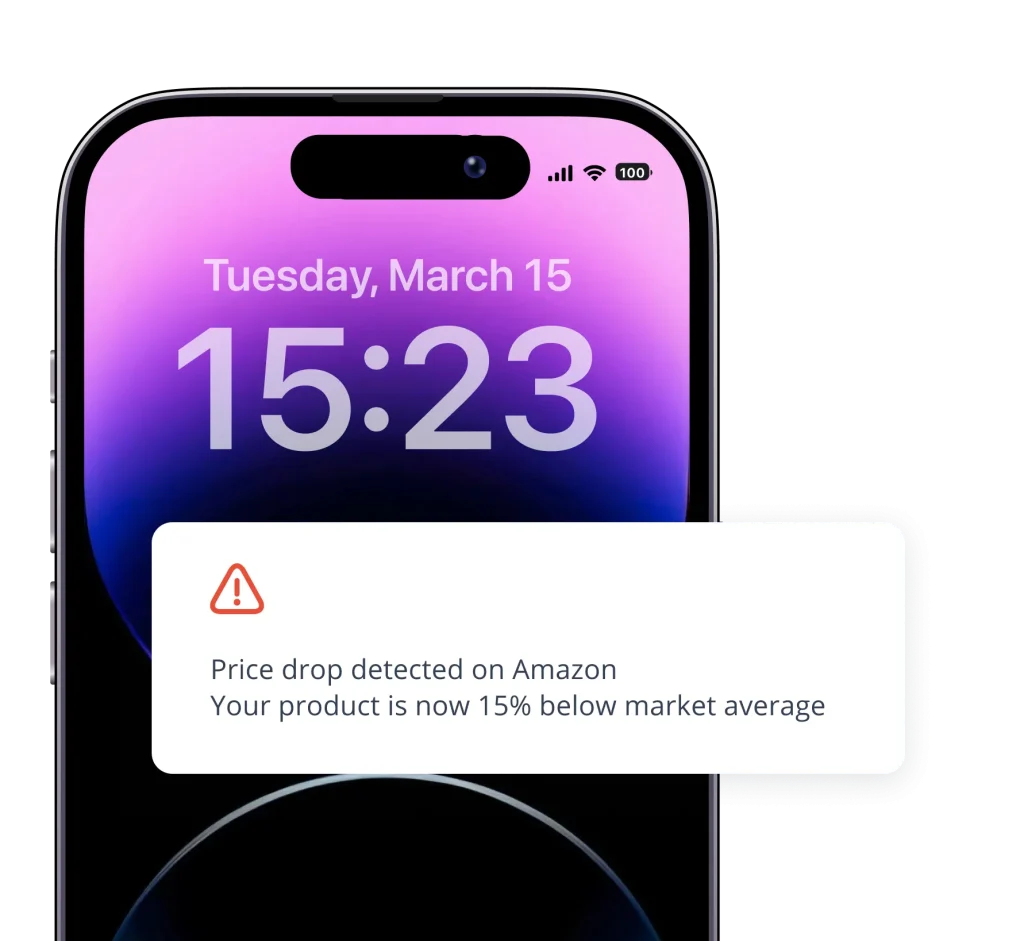
You find out on a Tuesday afternoon, for example. A reseller in a key market has been selling your product on Amazon for 15% less than everyone else. You don’t know how long it’s been going on. You don’t know if it’s spreading to other channels. And the first you heard about it was from another reseller who’s now threatening to drop your brand entirely.
That’s how sales channel conflict usually starts, not with a big announcement, but with a Tuesday afternoon phone call.
Why sales channel conflict is costing you more than you think
The real cost becomes clear once you see how easily the situation can escalate. It usually starts when a reseller feels squeezed by competition and starts discounting to protect their volume. Then another seller responds. Then another. It’s understandable how this happens. After all, Amazon rewards the seller with the lowest price when it comes to that all-important ‘Buy’ button.
All too often, sales channels conflicts go unnoticed until they’ve started doing damage. When your margins are being hit, you’ll often find yourself on the back foot, reacting instead of acting.
You can’t always avoid sales channel conflict, but you can minimise its impact with the right data. With the right numbers you can see where the problem starts before it has the chance to snowball.
If you keep on flying blind without the right data, you won’t know the answer to three important questions:
- Is a price war happening?
- Is it one or two rogue resellers?
- Where is the issue happening?
Until you have the answers to these questions, you risk a ripple effect across your products.
Said ripple effect can be felt quickly. Customers browsing across online marketplaces see different prices and start questioning whether your product actually commands that higher ticket. Authorised resellers feel the pinch on their margins, and if that trend can’t be reversed, they might reconsider stocking your products in the worst case. But you don’t have to reach that worst case scenario to feel the effects.
After all, €1 earned or lost in January is worth €12 by December. That’s why you need the right data.
This happens time and again to companies with vastly different ICPs – and across different industries. The common denominator in how quickly they can tackle it is pricing data, how much of it they have, and how often it’s updated.
Some risk factors for sales channel conflict
Manual processes
Different resellers often have different pricing strategies for different channels. That’s not an issue at all. But no matter how good your commerce team is, they can’t manually track thousands of SKUs across multiple countries, marketplaces, and resellers every single day. It simply isn’t possible. Checking innumerable Amazon, Google Shopping, etc results by hand isn’t a scalable strategy – and it still leaves plenty of blind spots.
The grey market
Those blind spots are exactly where the grey market creates channel conflict. Unauthorised resellers get hold of genuine products and undercut your recommended price thresholds. With the right data, you can spot these issues early.
Data for the sake of data
Having data is all well and good, but when it comes to avoiding sales channel conflicts, you need the right data. The absolute minimum of getting the right data is daily price updates.
With a proper overview of your entire market – every partner, every price point, every market – all in one place you’ll no longer be flying blind. You’ll be able to spot issues before they become issues.
How to avoid sales channel conflict
Knowing how to avoid sales channel conflict is important. Again, it starts with data. PriceShape’s reseller monitoring functionality lets you see who’s selling what, at what price, and where they’re selling it. If a reseller is struggling with stock or quietly offloading inventory at a discount, you’ll see it rapidly, rather than having to play detective weeks later.
When you spot issues, the best thing you can do is have conversations. When you talk to your resellers and let them know that you’re not happy, you give them a chance to correct an issue they might not have even realised was an issue. With the right data, you can come to the conversation with numbers backing you up. And this is particularly useful for those more difficult discussions. After all, communication is key.
For example; if you’re talking with the reseller who kicked off a price war, they might well argue that they were just following the market. With the right data, you can conclusively make your case. The same goes for grey market and unauthorised resellers.
With the right data, you can keep track of exactly who else is selling your product – both partners and unauthorised resellers. That matters a lot when you’re mapping out the root cause of sales channel conflict.

Protecting your brand value in a competitive market
DB Journey uses PriceShape to monitor reseller pricing and promotions, helping protect its premium brand positioning and maintain consistent pricing strategies across markets.
Your checklist to avoid conflict
Here is a handy checklist to help you avoid sales channel conflict:
- Describe your MSRP and let your partners know
- Make sure you partner up strategically
- Keep an eye on the market prices using price-monitoring tools
- Get the lay of the land across all of your markets
- Act quickly when issues arise
- Come with data when negotiating with resellers
Consistency is the goal
Managing sales channel conflict isn’t just about protecting your own margins. It’s about adopting a data-first approach. The brands that are getting this right aren’t necessarily the ones with the most stringent policies around their MSRP. They’re the ones using the right data to have honest, numbers-focused conversations when something goes wrong.
Book a demo and see exactly who’s selling your products, at what price, and how you might manage channel conflicts.
FAQ
What is sales channel conflict?
Sales channel conflict occurs when multiple sellers or channels compete to sell the same product to the same customers, often leading to price undercutting and margin erosion.
What causes sales channel conflict?
Common causes include price competition between resellers, lack of pricing transparency, grey market activity, and inconsistent pricing strategies across channels.
How do marketplaces like Amazon contribute to channel conflict?
Marketplaces prioritise the lowest price for visibility and Buy Box placement, which encourages resellers to undercut each other.